



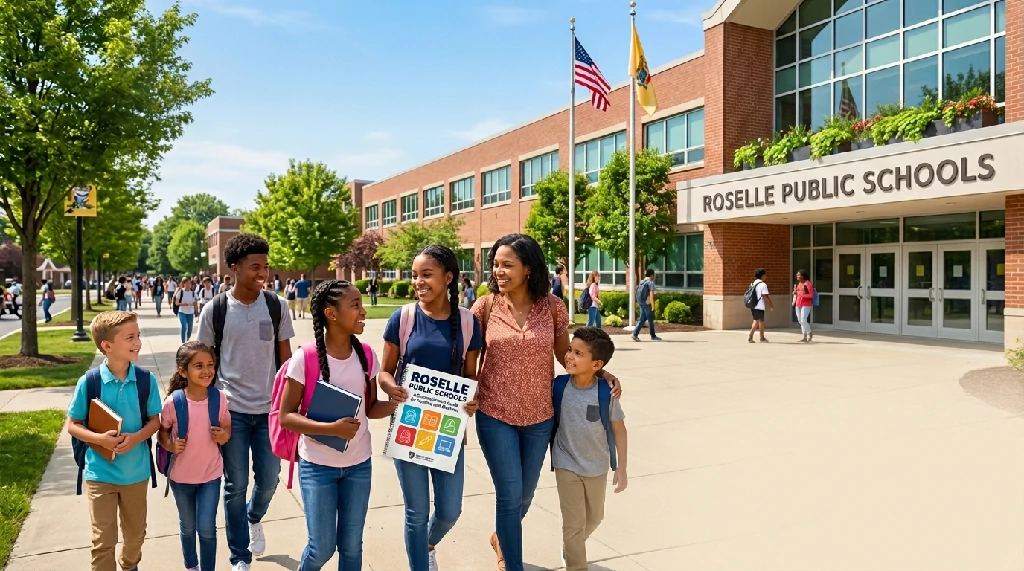
When families consider relocating or simply want to understand the educational landscape of their community, Roselle public schools stand out as a topic of significant interest. Roselle, a borough nestled in Union County, New Jersey, has developed an educational system that balances traditional academic excellence with modern pedagogical approaches. The Roselle public school district serves as a cornerstone of the community, shaping the minds of young people and contributing to the borough’s unique character.
The decision to choose the right school district ranks among the most important choices families make. Education forms the foundation upon which future opportunities are built, and understanding what Roselle public schools offer can help parents and students make informed decisions about their educational journey. This comprehensive guide explores every aspect of the Roselle public school system, from its historical roots to its current academic programs, extracurricular offerings, and community connections.
Historical Background and Development
The Roselle public school system has evolved considerably since its establishment in the late nineteenth century. The borough of Roselle itself was incorporated in 1894, and educational institutions quickly followed to serve the growing population. Initially, small neighborhood schools addressed the educational needs of local children, but as the community expanded, so too did the educational infrastructure.
Throughout the twentieth century, Roselle public schools experienced periods of significant growth and transformation. The post-World War II era brought substantial enrollment increases, prompting the construction of new school buildings and the expansion of existing facilities. The district adapted to various educational reforms and policy changes, always maintaining a focus on serving the diverse needs of its student population.
Understanding this historical context helps appreciate how Roselle public schools have become what they are today. The district has weathered challenges common to many American public school systems, including funding fluctuations, demographic shifts, and evolving educational standards. Each challenge has been met with resilience and adaptability, resulting in a school system that continues to serve its community effectively.
District Structure and Educational Institutions
Roselle public schools operate under a structured district organization that provides education from kindergarten through twelfth grade. The district encompasses several elementary schools, a middle school, and a comprehensive high school, each playing a vital role in the educational continuum.
Roselle High School serves as the flagship institution of the district, offering a wide array of academic programs designed to prepare students for higher education and career pathways. The school maintains rigorous academic standards while providing diverse opportunities for student exploration and growth. Modern facilities support contemporary learning approaches, including science laboratories, technology centers, and athletic complexes.
Dr. Charles C. Blackman Middle School bridges the transition between elementary and high school, focusing on the unique developmental needs of early adolescents. This period of tremendous change receives careful attention from educators trained to support students through academic, social, and emotional transitions. The middle school curriculum balances foundational skill development with opportunities for discovery and specialization.
Elementary schools within the Roselle public school district provide the critical early education that establishes patterns for lifelong learning. These institutions emphasize foundational literacy and numeracy while introducing students to core subjects, arts, and physical education. The smaller scale of elementary schools allows for intimate learning environments where young students can build confidence and develop a genuine love for learning.
Academic Programs and Curriculum
The curriculum offered by Roselle public schools reflects contemporary educational research while honoring proven teaching methodologies. Core academic subjects receive substantial attention, ensuring students develop strong foundations in English language arts, mathematics, science, and social studies. However, the district recognizes that well-rounded education extends beyond these traditional boundaries.
Science, technology, engineering, and mathematics (STEM) education receives particular emphasis throughout the district. From early elementary experiments to advanced high school coursework, students engage with STEM concepts through hands-on learning experiences. Laboratory investigations, coding activities, and project-based assignments help students understand abstract concepts through concrete applications. These experiences prepare students for an increasingly technology-driven world while developing critical thinking and problem-solving skills.
Language arts education in Roselle public schools goes beyond basic literacy to foster genuine communication skills and appreciation for literature. Students engage with diverse texts spanning multiple genres, cultures, and time periods. Writing instruction emphasizes both creative expression and practical communication skills, ensuring students can articulate their thoughts effectively in various contexts. Reading programs encourage appreciation for literature while building comprehension skills necessary for academic success.
The social studies curriculum provides students with understanding of history, geography, civics, and economics. Students explore local, national, and world history, gaining perspective on how past events shape present circumstances. Geography instruction helps students understand the interconnected nature of our world, while civics education prepares informed and engaged citizens. Economic literacy provides practical knowledge applicable to personal financial decisions and broader economic understanding.
Special Education and Student Support Services
Roselle public schools demonstrate commitment to serving all students, including those with diverse learning needs. The district’s special education programs provide individualized support for students with disabilities, ensuring each child receives appropriate educational services. Individualized Education Programs (IEPs) guide instruction for students requiring specialized approaches, with regular review and adjustment based on student progress.
Specialized staff members support students through various capacities within Roselle public schools. Special education teachers collaborate with general education instructors to provide inclusive educational experiences. Related services, including speech therapy, occupational therapy, and psychological services, address specific needs that may impact educational performance. The district works closely with families to ensure appropriate services are identified and implemented.
Beyond special education, Roselle public schools offer various support services benefiting the broader student population. Counselors provide academic advising, college preparation assistance, and social-emotional support. Nurses address health-related needs that may affect school attendance and performance. The district recognizes that student success depends on addressing holistic needs, not merely academic instruction.
English language learner (ELL) programs serve students whose native language is not English. These programs help students develop English proficiency while maintaining appreciation for their home languages and cultures. Bilingual staff members support communication with families whose English proficiency is limited, ensuring all families can participate fully in their children’s education.
Extracurricular Activities and Athletics
Education extends beyond the classroom in Roselle public schools, with robust extracurricular programs offering opportunities for student engagement and development. Athletics represent a significant component of extracurricular offerings, promoting physical fitness, teamwork, and sportsmanship while providing entertainment for the broader community.
Varsity and junior varsity athletic teams compete in various sports throughout the academic year. Football, basketball, baseball, softball, soccer, track and field, and other sports provide outlets for athletic talent and competitive spirit. Student-athletes learn valuable lessons about dedication, perseverance, and working toward common goals. The district’s athletic facilities support these programs, providing safe and appropriate venues for practice and competition.
Fine arts programs offer alternative avenues for student expression and creativity. Music education spans general music classes, instrumental programs, and vocal ensembles. Students can participate in band, orchestra, chorus, and various musical productions. Visual arts education encourages creativity through drawing, painting, sculpture, and digital media courses. Drama programs provide opportunities for theatrical expression, including school plays and musical productions.
Clubs and organizations address diverse student interests, from academic competitions to community service. Student government provides leadership opportunities and voice in school governance. Academic clubs like mathletes, science Olympiad, and debate team allow students to pursue interests in specific subject areas. Service organizations teach civic responsibility while making positive contributions to the community. These extracurricular offerings help students discover interests, develop talents, and build connections with peers who share similar passions.
Faculty, Administration, and Educational Quality
The quality of any educational institution ultimately depends on its people, and Roselle public schools benefit from dedicated educators committed to student success. Teachers in the district hold appropriate certifications and pursue ongoing professional development to maintain and enhance their instructional skills. Many educators bring advanced degrees and specialized training to their positions, providing students with access to deep subject matter expertise.
School administrators in Roselle public schools balance administrative responsibilities with instructional leadership. Principals and assistant principals oversee daily school operations while working to create positive school cultures conducive to learning. District administrators coordinate efforts across schools, ensuring consistency in educational quality while allowing flexibility for individual school needs. Leadership teams collaborate with teachers, parents, and community members to continuously improve educational offerings.
The district maintains systems for evaluating and improving educational quality. Regular assessment of student learning provides data to guide instructional decisions. Teacher evaluations ensure instructional quality while providing feedback for professional growth. Curriculum review processes ensure educational offerings remain current and aligned with state standards. These quality assurance mechanisms demonstrate the district’s commitment to continuous improvement and accountability.
Professional development opportunities help educators stay current with educational research and best practices. Training sessions address instructional strategies, classroom management, technology integration, and subject matter updates. Educators collaborate through professional learning communities, sharing expertise and supporting one another’s growth. This investment in educator development ultimately benefits students by ensuring high-quality instruction.
Community Involvement and Partnerships
Roselle public schools exist within a broader community context, and successful schools depend on strong community connections. Parent involvement in education significantly impacts student success, and the district actively encourages family participation. Parent-teacher organizations, school advisory councils, and volunteer opportunities provide avenues for families to engage with their children’s education. Regular communication between schools and families keeps parents informed about student progress and school activities.
Community partnerships extend the resources and opportunities available to Roselle public schools. Local businesses provide support through donations, sponsorships, and mentorship programs. Partnerships with colleges and universities offer dual enrollment opportunities and exposure to higher education. Community organizations contribute resources and expertise that enhance educational programs. These partnerships demonstrate the broader community’s investment in educational success.
The relationship between schools and local government deserves particular attention. Municipal leaders recognize the importance of quality schools to community vitality and property values. Local government support for schools includes facility maintenance, safety services, and collaborative initiatives addressing shared community goals. This partnership between educational and governmental institutions benefits the entire community.
Alumni connections represent another valuable community resource. Successful graduates serve as role models for current students and sometimes return to contribute to their alma maters. Scholarship programs funded by alumni associations provide financial support for higher education. Mentorship programs connect current students with graduates pursuing various careers. These connections help students envision future possibilities while reinforcing community ties.
Technology Integration and Future Directions
Contemporary education increasingly involves technology, and Roselle public schools work to prepare students for a technology-rich world. Instructional technology integration occurs across subject areas and grade levels, with students using digital tools to enhance their learning. Computer literacy instruction ensures students develop skills necessary for academic and professional success.
Classrooms in Roselle public schools feature various technological tools supporting instruction. Interactive whiteboards, student devices, and educational software create engaging learning environments. Online platforms extend learning beyond the school day, allowing students to access resources and complete assignments remotely. Technology integration receives attention in educator professional development, ensuring teachers can effectively incorporate digital tools into instruction.
The district also addresses digital citizenship and online safety as important considerations in technology-rich education. Students learn responsible technology use, including understanding of online privacy, cybersecurity basics, and appropriate online behavior. These skills prepare students to navigate digital environments safely and responsibly.
Looking forward, Roselle public schools continue planning for educational excellence. Strategic planning processes identify priorities and goals for future development. Facility improvements ensure school infrastructure meets contemporary educational needs. Curriculum updates address changing educational standards and emerging fields of study. The district remains committed to continuous improvement, ensuring students receive education that prepares them for success in an ever-changing world.
Choosing Roselle Public Schools: Considerations for Families
Families evaluating Roselle public schools should consider various factors when making educational decisions. Academic offerings, extracurricular opportunities, school culture, and location all influence educational experience. Visiting schools, meeting educators, and speaking with current families provides valuable insights beyond what written information can convey.
Registration and enrollment processes for Roselle public schools involve specific procedures and documentation requirements. Families considering relocation should contact the district office to understand enrollment requirements, school assignments, and available support services. Early communication with school staff helps ensure smooth transitions for transferring students.
The decision about educational placement involves weighing various considerations unique to each family situation. While public schools serve all students within their boundaries, families also have access to charter schools, private schools, and other educational alternatives. Understanding the full range of options helps families make choices aligned with their values and their children’s needs.
Conclusion: The Roselle Public Schools Experience
Roselle public schools represent a community investment in its youngest members and its collective future. The district offers comprehensive educational programs serving students from kindergarten through high school graduation. Dedicated educators, supportive families, and engaged community members contribute to educational environments where students can thrive.
The strength of Roselle public schools lies not merely in academic metrics but in the holistic development of students as learners, citizens, and individuals. Students encounter opportunities for academic challenge, creative expression, athletic competition, and community involvement. These diverse experiences shape well-rounded individuals prepared for the complexities of adult life.
For families considering their educational options, Roselle public schools merit serious consideration. The combination of solid academics, diverse programs, community support, and commitment to student success creates educational environments where young people can discover their potentials and develop the skills they need for bright futures. As with any significant decision, families should gather information, visit schools, and carefully consider their unique circumstances. The Roselle public school district stands ready to welcome students and families committed to educational excellence.