


A boiler that starts, runs for a few minutes and then shuts off is one of the more frustrating heating faults. The house warms slowly, never reaches the set temperature, and the boiler keeps clicking on and off. Sometimes it will not restart at all until you press a reset button. These are two different behaviours with different causes, and telling them apart is the first step to fixing the problem.
Two different symptoms
Short cycling means the boiler fires, runs briefly and switches off before the heating demand is satisfied, then repeats this several times an hour. The appliance is working, but not in the way it is designed to.
Lockout means a safety system has shut the boiler down. The display normally shows a fault code, and the boiler stays off until it is reset, either manually or after a delay.
Both can be intermittent. A boiler that locks out once, resets and works for days may have a different issue from one that locks out every morning. Making a note of when the problem occurs is more useful than it sounds.
For Gas Safe registered advice specific to this fault, Olia’s Plumbing & Heating has set out common causes and sensible checks at https://oliasplumbingandheating.co.uk/mag/boiler-keeps-turning-off/ for homeowners in London and elsewhere.
Why boilers short cycle
The boiler is reaching its target temperature too quickly
Most boilers heat water to a set flow temperature. If the heat demand is low, for example when only one small radiator is open, the water reaches this temperature almost immediately and the burner shuts off. The result is rapid on-off cycling. This is common in mild weather and with radiators that have thermostatic valves closed. Lowering the flow temperature setting, where the manufacturer allows it, often helps, since condensing boilers work more efficiently at lower temperatures. An engineer can adjust this safely.
Poor circulation
If water cannot move freely through the system, heat builds up in the boiler’s heat exchanger and the boiler shuts off on temperature. Causes include:
- sludge and debris restricting flow;
- closed or partly closed radiator valves;
- a failing circulation pump;
- air trapped in the system;
- a bypass valve set incorrectly.
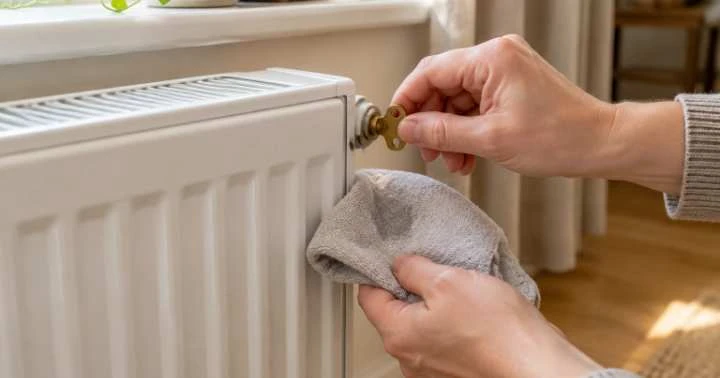
If the radiators warm slowly or unevenly and the boiler regularly cuts out, a circulation problem is likely. Checking whether radiators are heating, and bleeding any with cool tops, is a reasonable first step.
Low water pressure
Many boilers refuse to run when pressure falls below a minimum threshold. Check the gauge. If it is below the cold-system range given in the manual, top it up using the filling loop and monitor the gauge. Persistent pressure loss means a leak or expansion vessel problem, which needs professional investigation.
The thermostat is in the wrong place or misreading
A room thermostat positioned near a heat source, in direct sunlight or in a draught can turn the heating off before the rest of the house is warm. Smart thermostats with a poor wireless connection can also lose contact with the boiler and stop the call for heat.
Ignition, flame or sensor faults
If the boiler lights and then shuts down within seconds, the flame sensor, ignition electrode or gas supply may be at fault. A dirty sensor, a faulty electrode or an unstable flame can cause the control board to cut the gas as a precaution. These are internal gas components and are strictly for a registered engineer.
Blocked condensate pipe
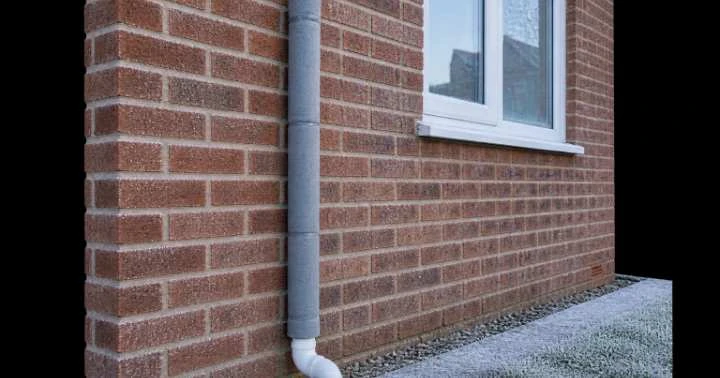
Condensing boilers produce acidic condensate that drains away through a plastic pipe. In freezing weather the pipe can freeze, particularly if it runs outside or is inadequately insulated, and the boiler shuts down to avoid water backing up. A gurgling sound and a lockout during cold nights suggest this. Carefully pouring warm, not boiling, water over the frozen section often resolves it. Persistent trouble calls for rerouting or lagging.
Blocked flue or air supply
If exhaust gases cannot leave properly, or fresh air cannot enter, safety devices will shut the boiler down. This is a safety matter, not a nuisance. A boiler that cuts out for no obvious reason, particularly when combined with soot marks, yellow flames or a smell, should not be used until checked.
Safe checks before calling someone
- Look at the display and note any fault code.
- Check the pressure gauge against the manual.
- Make sure the thermostat is set higher than the room temperature and has working batteries.
- Make sure radiator valves are open in at least some rooms.
- Press the reset button once, following the manual.
- In freezing weather, check the condensate pipe outside for ice.
Write down what you find. If the problem returns quickly, stop resetting and call for help.
When to call a professional
Call a Gas Safe registered engineer if the boiler locks out repeatedly, if the fault code points to ignition, flame or fan problems, if you notice leaks, banging or burning smells, or if you suspect a flue issue. Gas appliances must be repaired by registered engineers in Great Britain, and a card showing their registration number and qualifications should be available to see. Consumer guidance from Citizens Advice explains how to get a broken boiler repaired or replaced and what help may be available.
If you smell gas, do not use switches or flames, open doors and windows and call the National Gas Emergency Service on 0800 111 999. Fit a carbon monoxide alarm near the boiler and test it regularly.
How to reduce the chance of repeat faults
- Service the boiler every year.
- Have the system flushed and fitted with a magnetic filter where sludge is a problem.
- Insulate exposed condensate pipework.
- Bleed radiators at the start of the heating season.
- Position the thermostat in a representative room.
- Replace worn controls promptly.
Summary
A boiler that turns itself off is usually protecting itself, or reacting to a system that cannot shed heat. Distinguish between short cycling and lockout, check pressure, circulation, controls and the condensate pipe, and note when the fault occurs. Leave gas, flue and internal parts to a registered engineer, and treat any suspected gas or carbon monoxide risk as an emergency.